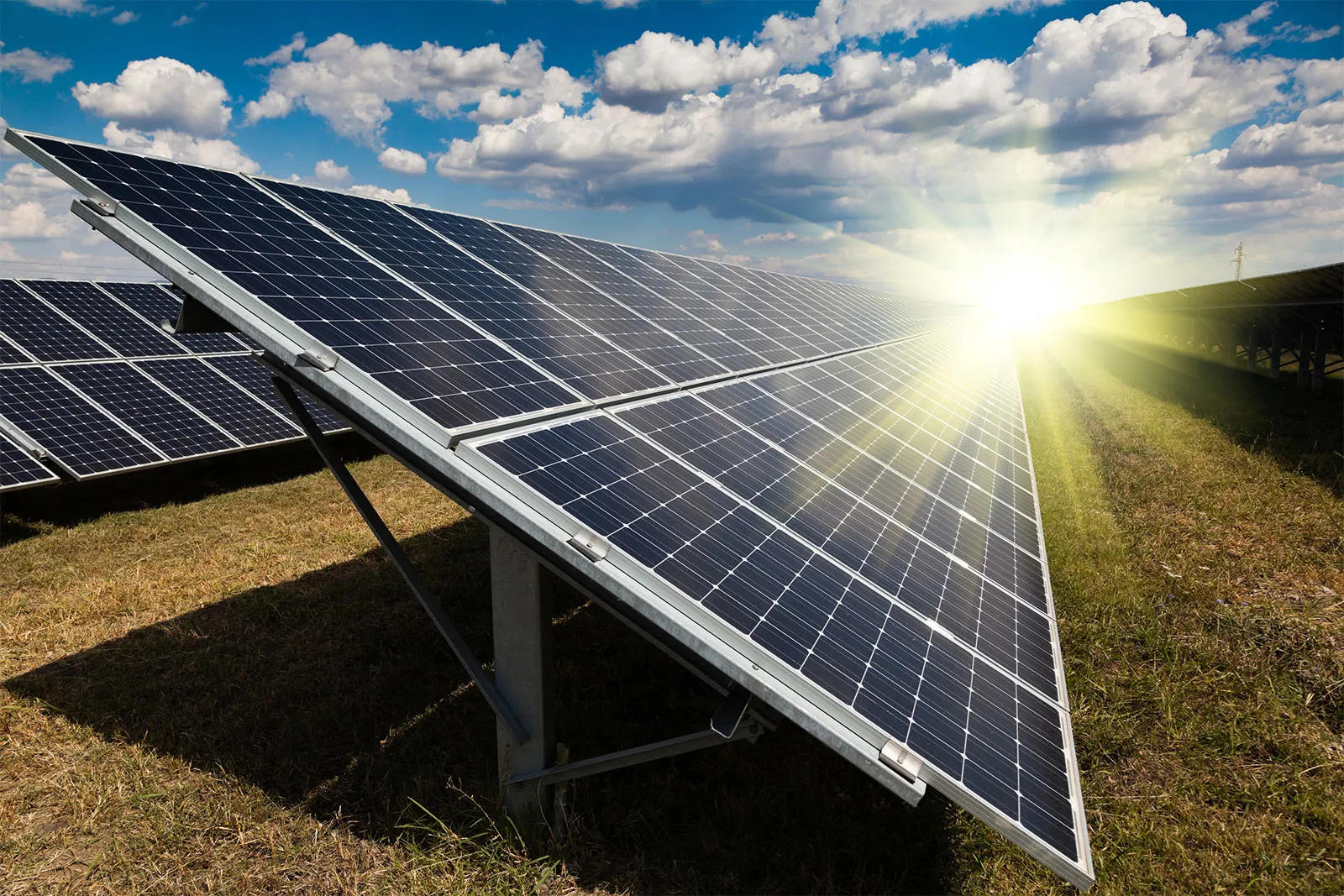

Renewable energy experts and some civil society groups have increasingly called for solar expansion as the way out of Nigeria’s electricity shortage predicament. They have also increasingly taken to describing Nigeria’s electricity situation in the most comical light (pun intended), by pointing out that the national grid currently generates about 5,000 megawatts for over 200 million people, translating to roughly 24.5 watts per person, barely enough to power a light bulb.
Needless to say, such inadequacy is a severe constraint on national development. The Nigeria Campaign Director for the Secure Energy Project and member of the Solar Power Nigeria Coalition, Joseph Ibrahim has noted that about 85 million Nigerians still lack access to electricity. He further noted that solar energy has increasingly become a lifeline for businesses and households, particularly in the face of unreliable grid supply.
In reaction to government’s announcement to end dependence on imported solar panels, citing an annual import bill of over ₦200 billion, Mr. Ibrahim cautioned against moves to impose an outright ban on the importation of solar panels, warning that such a policy could worsen energy access challenges if not properly implemented. He said the government should engage in phased banning within a period of three to five years. He further noted that by taking a phased approach, it will allow time for investors to build their plants, workers to learn specialized skills, and for Nigeria’s economy to adjust without losing power.
While Mr. Ibrahim’s concern is understandable, I think it would be fair to point out that to the best of my knowledge, the government didn’t announce an outright ban. Rather, a solar import gradual phase-out roadmap was introduced in March 2025. Stipulated therein were gradual tariff increases on finished solar panels.
April, 2026, saw the Minister of Finance sign the 2026 Fiscal Policy Measures, which among other things, introduced Import Adjustment Taxes on finished solar goods. Duties on raw materials for local factories were also reduced in order to give encouragement to domestic production. A Green Tax Surcharge has been scheduled to take effect on July 1, 2026, which would make imported panels more expensive.
The cumulative effect of all these policy measures has been to increase local solar manufacturing capacity to 300 MW, by early 2026, up from 120 MW in 2024. There have also been plans afoot to establish eight new solar manufacturing plants, targeting 3.7 GW of local capacity in the long term, with the long-term goal being to achieve 100% local production by 2036. Government has announced $425 million worth of funding to that effect.
All of this sounds very laudable, though concerns about energy poverty, quality, skilled man-power and infrastructure issues remain.
Another pertinent point of contention is whether renewable energy should be seen as a complement or replacement to conventional power sources. Femi Asonibare, a climate expert at the West African Science Service Centre on Climate Change, is of the opinion that renewable energy should be seen as a complement, not a replacement. He further noted that “the renewable energy sector is helping to fill the gap created by deficiencies in the conventional sector, especially given our reliance on hydropower, which is affected by seasonal rainfall patterns.”
My take is that renewables should definitely be a complement in the short to medium term, as renewables like solar and wind still have intermittency challenges, even in the developed world, and as a result, conventional sources still provide stable baseload power. The situation however could be very different in the long-term, as replacement will need to become the target if the world is to meet net-zero targets.
It would be remiss if I didn’t mention the effect that the Electricity Act of 2023 was having on renewable energy projects in a number of states in the country. The Act made for the decentralization of Nigeria’s Power sector, opening the door for state-level electricity markets and private participation beyond the national grid.
The Act has accelerated solar mini-grid development in rural and peri-urban areas, where grid extension is costly. Lagos, Enugu, and Ogun have already issued licenses for solar and hybrid mini-grids under their new electricity laws. Renewable projects are now being integrated into state-level distribution networks, not just isolated off-grid systems. This means solar and wind projects can sell directly to local consumers or industries, bypassing the fragile national grid.
As a result of the Act, International financiers like the World Bank, the African Development Bank, and private equity firms have shown more interest in funding solar farms, wind projects, and biomass plants.
Of course, challenges remain. Some states lack the technical and institutional capacity to regulate renewable projects effectively. While interest is rising, local banks remain cautious about lending to renewable developers. The transmission infrastructure is still weak, limiting how much renewable power can be absorbed.
On the whole though, the Act has definitely been a boon to renewable energy development.