
The Internally Generated Revenue (IGR) of the state of Akwa Ibom, has jumped from about two billion naira monthly, to about seven billion naira monthly, a mere three months after the implementation of the state’s Treasury Single Account (TSA) policy, an increase of about 250%.
The TSA policy, introduced on January 1, 2026, mandates all Ministries, Departments and Agencies to remit all government revenues into a single, centralized account to ensure transparency and accountability.
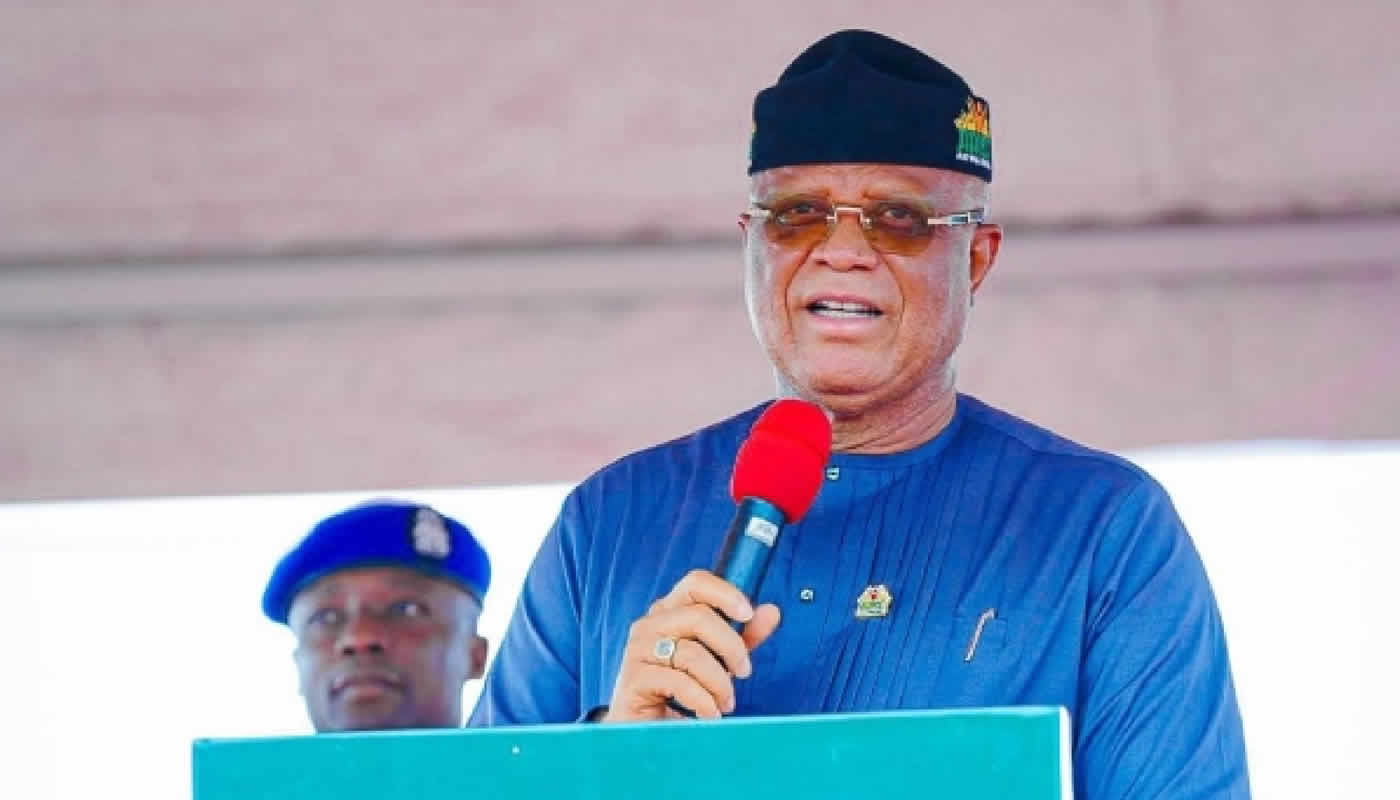
At a Government House Monthly Prayer Service, the Governor of Akwa Ibom, Umo Eno, reaffirmed his administration’s commitment to raising the state’s IGR in the next few months to a financially sustainable point where it can pay workers’ salaries.
Eno urged all government Ministries, Departments, Agencies, and relevant financial stakeholders to abide by the set rules and standards of the TSA to boost revenue generation, warning that any act of compromise or sabotage would be treated accordingly.
The Governor also took the opportunity to discuss the state’s economic blueprint, adding that his administration is executing projects and programmes sequentially for the sustainable transformation of the state.
Background
Implementation of TSAs have become increasingly popular in emerging economies to curb corruption and waste. TSAs help governments curb corruption and waste by consolidating all public revenues into a single account, eliminating fragmented accounts that are prone to leakages, diversion, and opaque spending. Countries like Nigeria, China, and India have adopted TSA systems to strengthen transparency, improve cash management, and reduce opportunities for corruption.
Adoption of a TSA tends to bring the following benefits:
- Eliminates multiple accounts: Before TSA, ministries and agencies often maintained thousands of separate bank accounts, making it easy to hide funds or delay remittances. TSA forces all revenues into one account, reducing opportunities for diversion.
- Real-time monitoring: With a TSA, governments can track inflows and outflows instantly, making it harder for officials to manipulate balances or misreport revenues.
- Better cash management: TSA allows the government to know its exact cash position at any time, reducing idle balances and borrowing costs.
- Transparency and accountability: Since all transactions pass through a central account, auditing becomes easier, and public scrutiny is enhanced.
- Reduced corruption incentives: By blocking leakages and discretionary spending outside the budget, TSA limits rent-seeking behavior among public officials.
Asides Nigeria, China and India are examples of notable emerging economies that have implemented TSAs. China implemented a centralized treasury cash management system in the early 2000s, consolidating government revenues into a single account at the People’s Bank of China. This strengthened fiscal transparency, reduced off-budget spending, and improved control over local government finances.
India introduced TSA-like systems through its Public Financial Management System (PFMS). This improved monitoring of subsidies and welfare payments, reduced ghost beneficiaries, and enhanced efficiency.
Implementing a TSA is not without challenges. Ministries and parastatals often resist a TSA because it reduces their discretionary control over funds. Also, TSAs requires strong IT infrastructure and banking integration to function effectively. Furthermore, sustained enforcement is critical; without it, loopholes can re-emerge.
Maintaining a TSA is one of the most effective anti-corruption tools in public finance. By consolidating revenues, enabling real-time monitoring, and reducing opportunities for diversion, governments can save billions and restore public trust. Nigeria’s TSA has already demonstrated success, while China’s centralized treasury system shows how large economies can use similar reforms to strengthen fiscal discipline.